Analytical Review of Structural Biomolecules and Botanical Compounds
An educational exploration of the scientific foundations related to skeletal integrity and physical mobility
Understanding Physical Mobility
Physical mobility is a fundamental aspect of human existence, influenced by numerous interconnected factors including skeletal structure, connective tissue composition, and the complex interplay of biochemical processes. The human musculoskeletal system represents a remarkable feat of biological engineering, where bones, cartilage, ligaments, and muscles work in coordinated harmony to facilitate movement.
Contemporary scientific research has expanded our understanding of how various nutrients and compounds may interact with the biological systems that support physical movement. This knowledge base draws from multiple disciplines including biochemistry, nutritional science, and botanical research, offering a comprehensive view of the factors that contribute to maintaining physical function throughout life.
The field of nutritional biochemistry examines how specific molecules derived from dietary sources may influence cellular processes within connective tissues. These investigations have revealed intricate mechanisms through which botanical compounds interact with human physiology, though individual responses to such compounds can vary significantly based on genetic factors, lifestyle choices, and overall health status.
Plant-Based Nutrients: Scientific Background
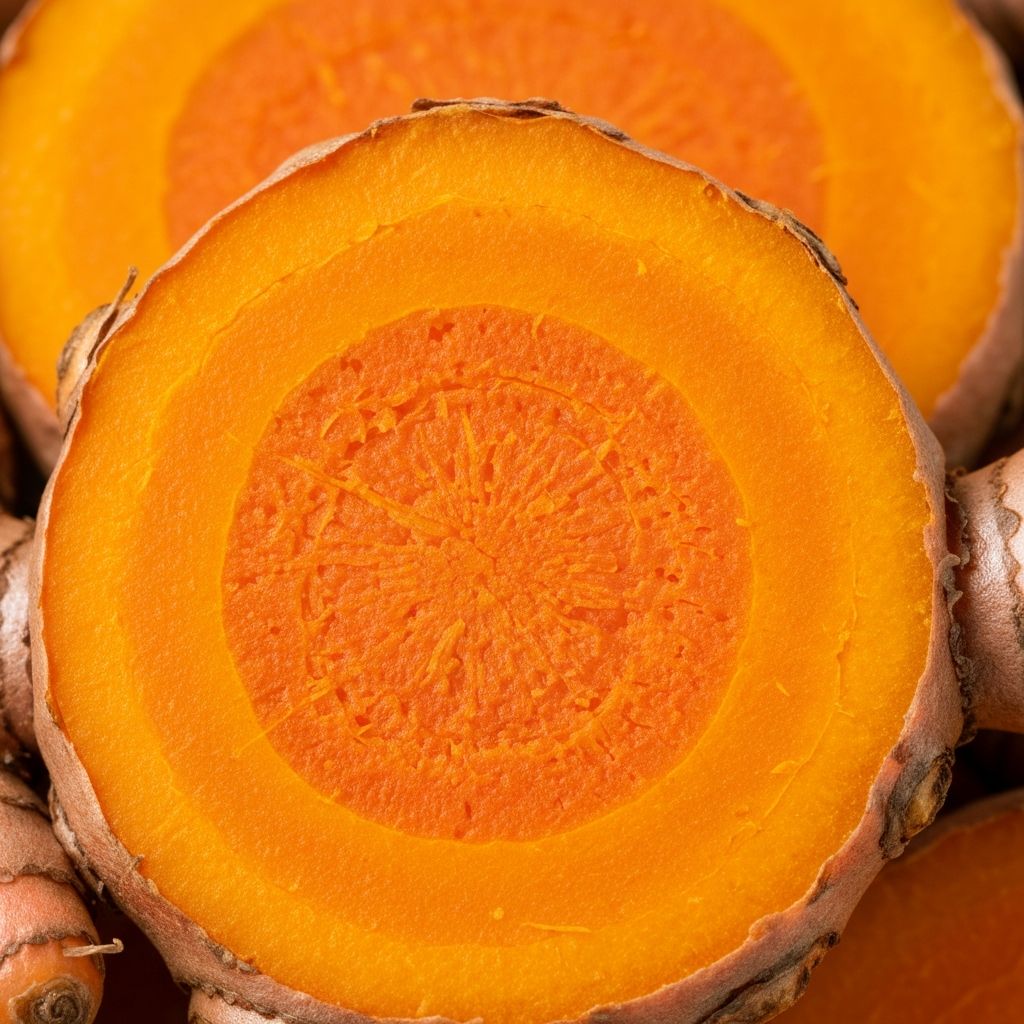
Botanical compounds have been subjects of scientific inquiry for centuries, with researchers examining their chemical structures and potential interactions with human biological systems. Among the most extensively studied plant-derived substances are curcuminoids, particularly curcumin, which is found in turmeric rhizomes.
Curcumin represents a polyphenolic compound with a distinctive molecular structure characterized by two aromatic ring systems connected by a seven-carbon linker. Scientific literature has documented its chemical properties, including its behavior as a lipophilic molecule and its interactions within cellular environments. Research has explored how curcumin's chemical structure influences its bioavailability and distribution within biological systems.
Similarly, boswellic acids, derived from Boswellia serrata trees, have attracted scientific attention. These pentacyclic triterpenic acids possess unique chemical configurations that have been the subject of biochemical investigations. The resin from which these compounds are extracted has historical documentation across various traditional knowledge systems, particularly in European and Asian contexts.
The scientific study of these botanical compounds involves sophisticated analytical techniques, including chromatography, spectroscopy, and molecular modeling. Researchers examine not only the compounds themselves but also their metabolites and how they may be processed within biological systems. This research contributes to the broader understanding of plant-human interactions from a biochemical perspective.
The Role of Glucosamine in Nature
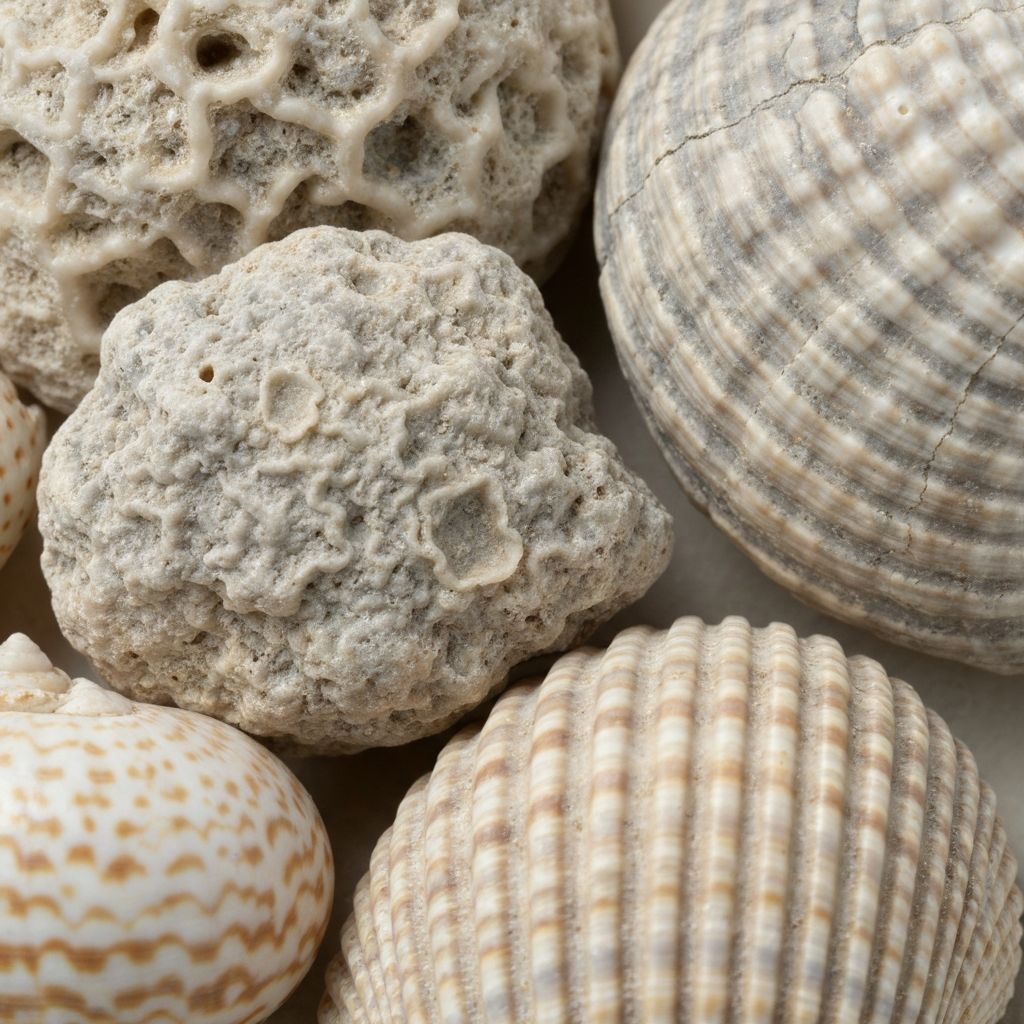
Glucosamine is an amino sugar that naturally occurs in various biological contexts, including the exoskeletons of shellfish and within certain fungal cell walls. Its molecular structure consists of glucose with an amine group replacing one hydroxyl group, creating a compound that serves as a biochemical building block in nature.
In marine environments, glucosamine forms part of chitin, a structural polysaccharide that provides rigidity and protection to crustaceans and other organisms. The extraction and study of glucosamine from these natural sources has provided insights into its chemical properties and stability under various conditions.
From a biochemical perspective, glucosamine participates in the synthesis of glycosaminoglycans, which are long unbranched polysaccharides consisting of repeating disaccharide units. These molecules are found in various biological matrices and have been subjects of extensive research regarding their structural roles in living organisms.
Scientific investigations into glucosamine have employed various analytical methods to understand its metabolism, including how it is absorbed, distributed, and processed when introduced into biological systems. Studies have examined factors affecting its stability, including pH levels, temperature, and the presence of other molecules.
Traditional European Botanical Knowledge
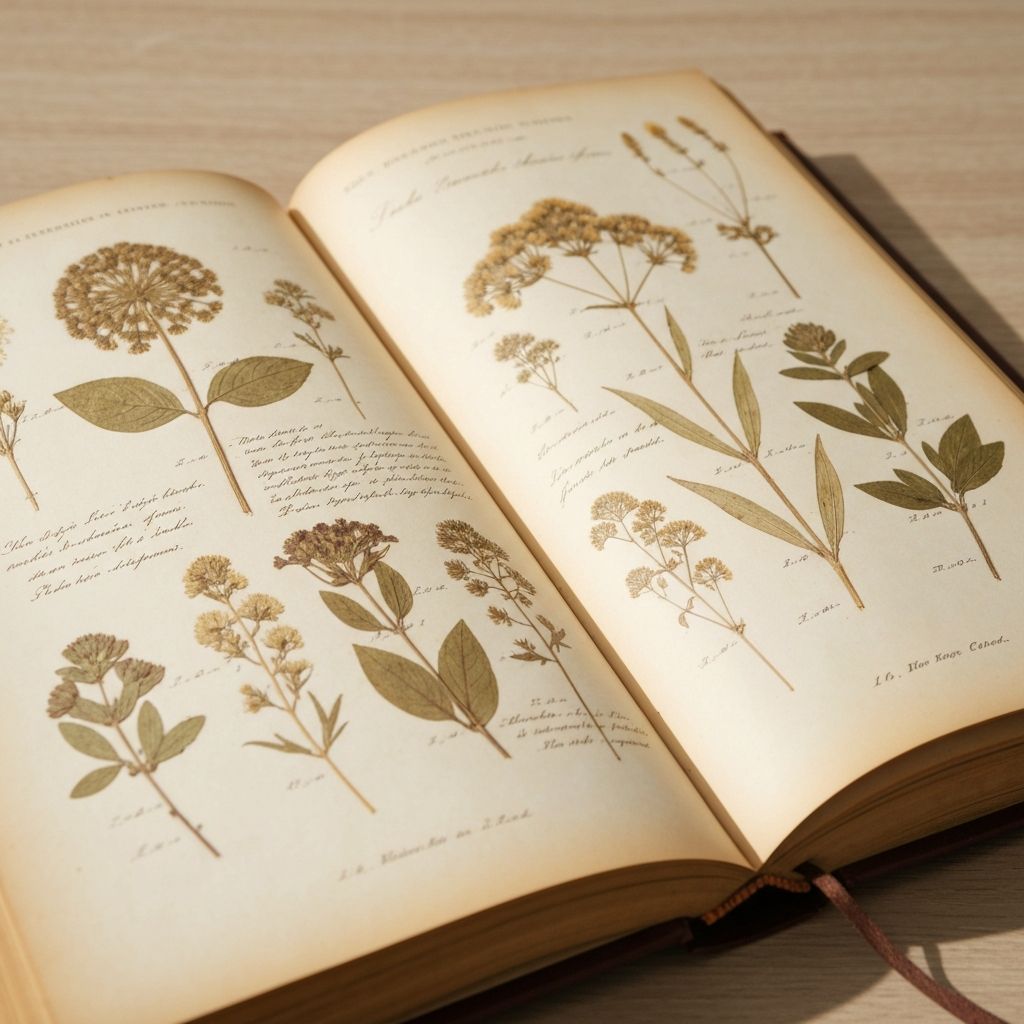
The documentation of botanical knowledge in Europe spans centuries, with herbaria and botanical texts preserving information about plant identification, cultivation, and historical uses. Medieval and Renaissance scholars compiled extensive records of plant species, their geographical distributions, and their roles in various cultural contexts.
Historical texts from European botanical traditions reveal systematic approaches to plant classification and description. These documents often included detailed illustrations, Latin nomenclature, and observations about growing conditions and seasonal variations. Such records form an important part of ethnobotanical history and provide context for understanding how plant knowledge was transmitted across generations.
Universities and monasteries throughout Europe maintained botanical gardens and herbariums, serving as centers for plant study and preservation. These institutions contributed to the development of systematic botany and the scientific method's application to natural history. The preserved specimens and manuscripts offer valuable insights into historical biodiversity and changing relationships between humans and plants.
Contemporary researchers examining these historical sources employ multidisciplinary approaches, combining botanical expertise with historical analysis and chemical investigation. This work helps contextualize modern botanical research within broader cultural and scientific frameworks, demonstrating the evolution of plant science from descriptive natural history to contemporary molecular botany.
Modern Approach to Movement Support
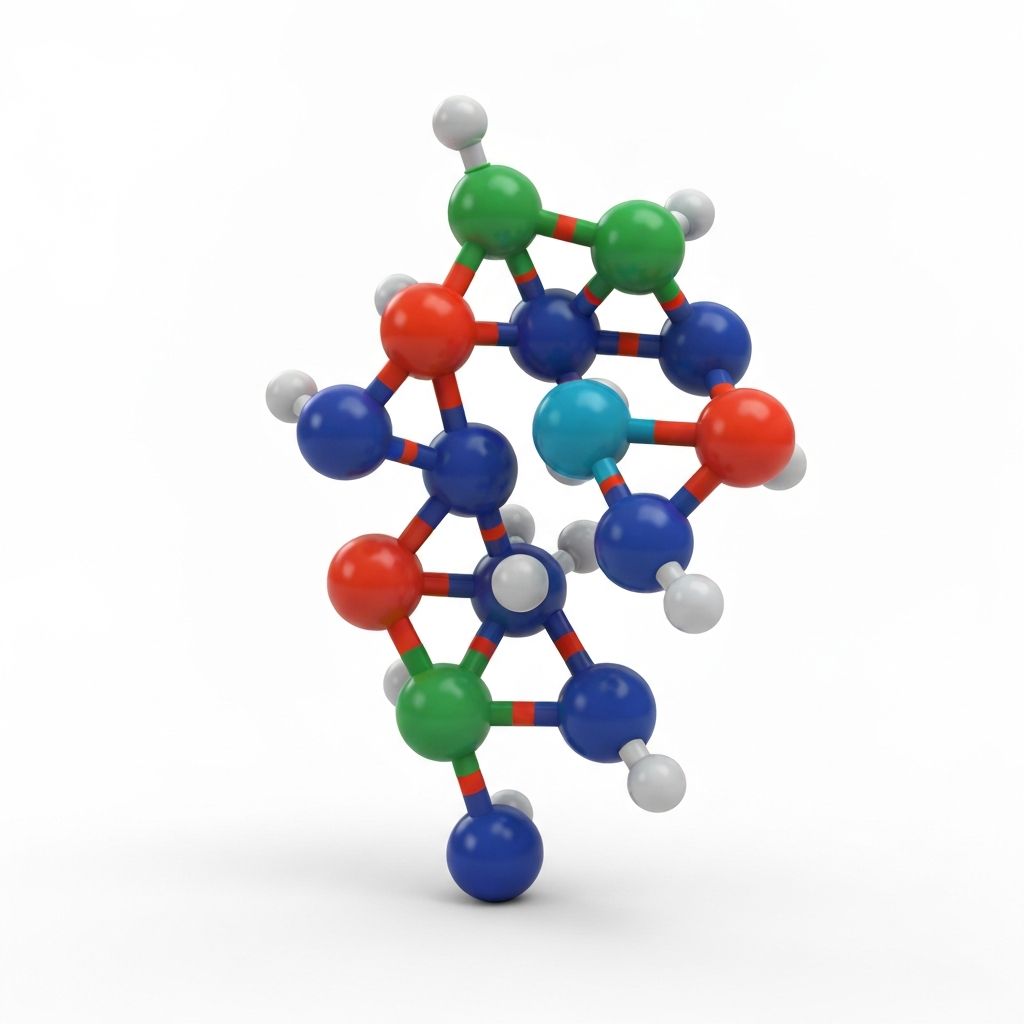
Contemporary approaches to understanding factors that may influence physical mobility draw upon multiple scientific disciplines. Researchers employ advanced technologies including molecular imaging, computational modeling, and sophisticated analytical chemistry to investigate the complex systems involved in skeletal and muscular function.
The integration of nutritional science with molecular biology has created new avenues for exploring how dietary components may interact with biological processes. Scientific methodologies now allow for detailed examination of cellular signaling pathways, gene expression patterns, and metabolic processes that were previously inaccessible to investigation.
Interdisciplinary research teams combine expertise from biochemistry, physiology, nutrition, and materials science to develop comprehensive models of how various factors contribute to maintaining physical function. These investigations consider not only individual compounds but also their synergistic interactions and the complex biological contexts in which they operate.
The scientific community continues to refine methods for assessing how different variables—including nutritional intake, physical activity patterns, genetic factors, and environmental conditions—may collectively influence outcomes related to mobility and skeletal integrity. This research acknowledges the multifaceted nature of human physiology and the importance of considering systems-level interactions.
Bioavailability of Natural Compounds
Bioavailability refers to the proportion of a substance that enters circulation when introduced into the body and becomes available for biological activity. This concept is central to understanding how dietary compounds may interact with physiological systems. Numerous factors influence bioavailability, including molecular size, lipophilicity, chemical stability, and interactions with other dietary components.
For plant-derived compounds, bioavailability presents particular challenges due to their complex chemical structures and susceptibility to degradation in the digestive environment. Factors such as pH changes, enzymatic activity, and the presence of food matrices can significantly affect whether and how these compounds are absorbed across intestinal barriers.
Scientific research has explored various approaches to understanding and potentially enhancing the bioavailability of botanical compounds. These investigations include studies of different delivery formats, the role of enhancing agents like piperine, and the impact of food consumption timing. Researchers also examine how individual variations in gut microbiota composition may influence the metabolism and absorption of plant compounds.
The study of bioavailability employs sophisticated analytical techniques, including pharmacokinetic modeling and mass spectrometry-based detection of compounds and their metabolites in biological samples. These methods help scientists map the journey of dietary substances through the body and understand the factors that determine their ultimate fate and potential interactions with biological systems.
Factors Influencing Joint Resilience

The resilience of connective tissues represents a complex interplay of genetic predisposition, environmental factors, physical activity patterns, and nutritional status. Scientific research has identified numerous variables that may contribute to how these tissues respond to mechanical stress and the natural processes associated with aging.
Biomechanical studies examine how forces are distributed across skeletal structures during various activities. The loading patterns experienced during movement influence cellular responses within bones and cartilage, with mechanical stimulation playing a recognized role in tissue maintenance. Understanding these mechanical factors provides context for how physical activity levels may relate to skeletal health outcomes.
Nutritional factors represent another dimension of this complex picture. The availability of specific amino acids, minerals, and vitamins influences the biochemical processes involved in tissue synthesis and maintenance. Scientific literature documents the roles of various nutrients in collagen production, mineralization processes, and other aspects of skeletal biology.
Genetic factors contribute significantly to individual variations in tissue characteristics. Research in molecular genetics has identified numerous genes associated with collagen structure, bone density, and other relevant traits. These genetic influences interact with environmental and lifestyle factors, creating unique outcomes for each individual that cannot be predicted solely from any single variable.
Interaction Between Lifestyle and Nutrition

Physical Environment
Exposure to natural environments and engagement in outdoor activities contributes to overall well-being through multiple pathways.
Dietary Patterns
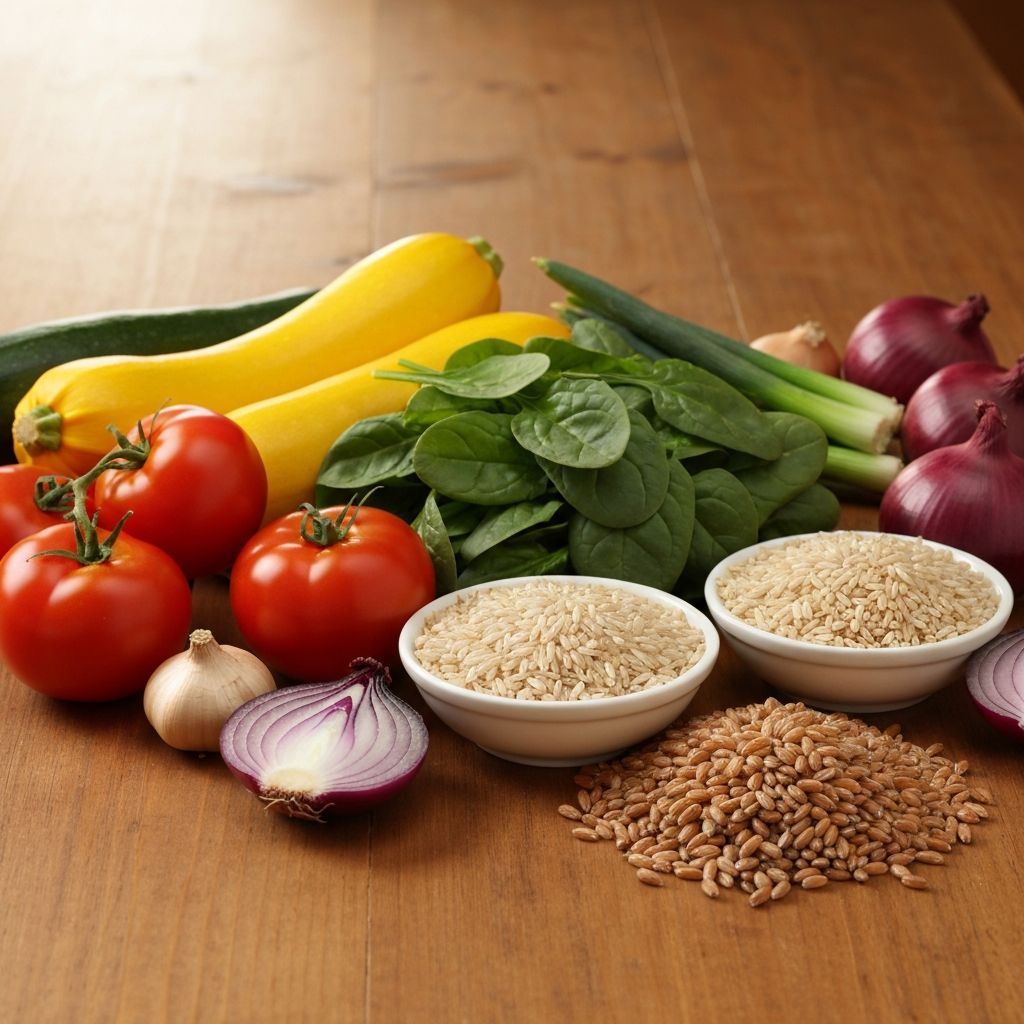
Nutritional intake encompasses not only specific compounds but also overall dietary patterns and the quality of food sources.
Hydration Status
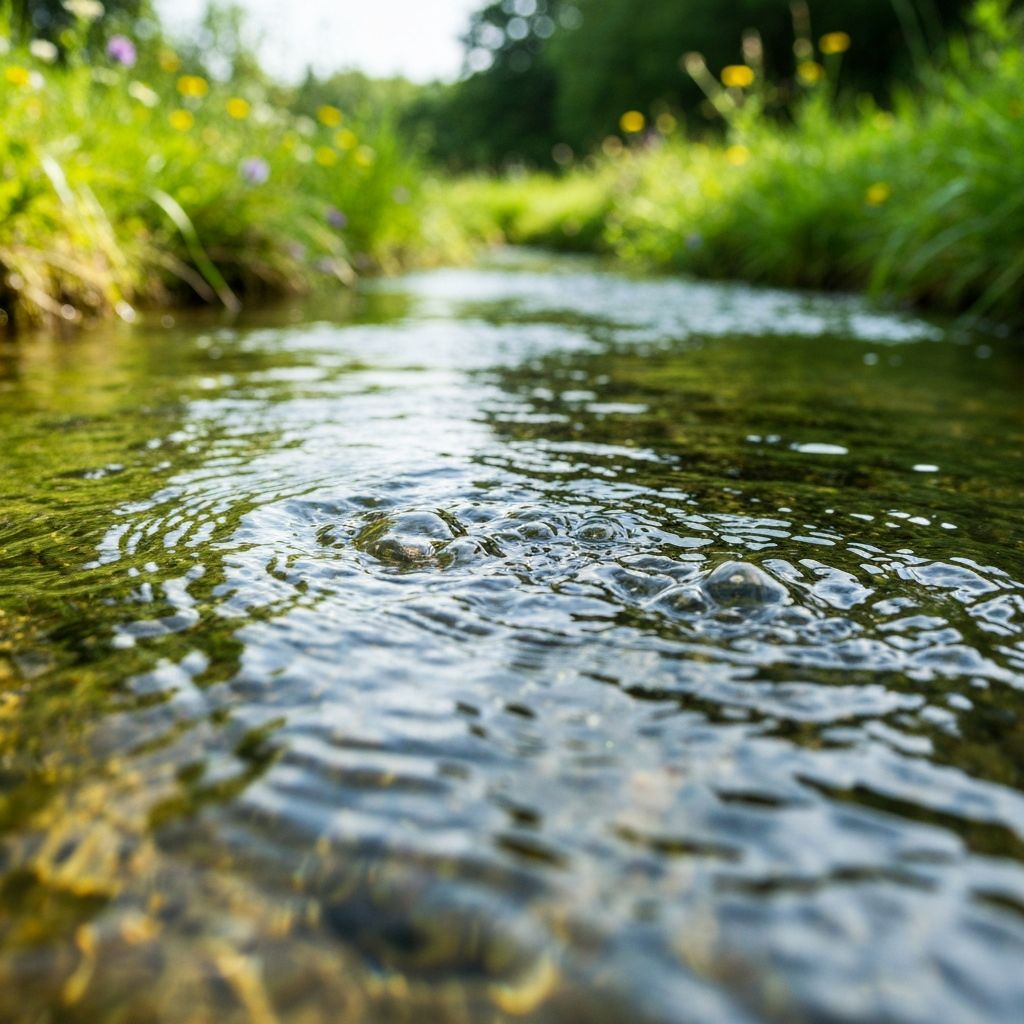
Adequate hydration plays fundamental roles in physiological processes, including those related to tissue function and cellular health.
The relationship between lifestyle factors and physiological outcomes represents a complex web of interconnections that scientists continue to investigate. Research methodologies increasingly recognize that isolating single variables provides limited insight, as human health emerges from the integration of multiple simultaneous influences.
Longitudinal studies have provided valuable data about how various lifestyle patterns correlate with different health outcomes over time. These investigations track diverse populations across years or decades, documenting patterns of physical activity, dietary habits, social engagement, and other factors while monitoring various health indicators.
The field of nutritional epidemiology examines population-level patterns in diet and health, while recognizing that correlation does not establish causation. Researchers employ statistical methods to account for confounding variables and attempt to isolate the potential contributions of specific factors. However, the complexity of human physiology and the multitude of interacting variables make definitive conclusions challenging.
Contemporary research emphasizes holistic approaches that consider the individual as an integrated system rather than a collection of isolated parts. This perspective acknowledges that interventions or factors affecting one aspect of physiology often have cascading effects throughout multiple interconnected systems, making simple cause-and-effect relationships difficult to establish.
Global Standards for Educational Resources
Educational materials concerning health-related topics operate within frameworks established by various regulatory and professional organizations worldwide. These standards aim to ensure that information presented to the public meets criteria for accuracy, clarity, and appropriate contextualization.
In the European Union, including the Czech Republic, guidelines govern how information about nutritional compounds and dietary supplements may be communicated. These regulations distinguish between scientific description of substances and claims about health outcomes, with specific requirements for substantiation and presentation of information.
Professional organizations in fields such as nutrition science, biochemistry, and public health establish ethical guidelines for science communication. These guidelines emphasize the importance of accurately representing scientific evidence, acknowledging uncertainty where it exists, and avoiding overstatement of findings from individual studies.
Educational resources responsibly present information by clearly distinguishing between established scientific knowledge, emerging research findings, and areas where significant uncertainty remains. This approach respects the intelligence of readers while providing context that enables informed interpretation of complex topics.
Educational Context and Limitations
This resource provides educational information only. The content presented here describes scientific concepts, research findings, and historical context related to botanical compounds and skeletal biology. This information is not intended to guide individual decisions, recommend specific actions, or substitute for personalized advice from qualified professionals.
Scientific understanding evolves continuously, and research findings represent snapshots of current knowledge that may be refined or revised as new evidence emerges. Individual responses to nutritional factors vary significantly based on genetic makeup, existing health status, lifestyle factors, and numerous other variables.
Readers should recognize that this material serves educational purposes, offering perspective on complex scientific topics without suggesting specific courses of action. Decisions about lifestyle, nutrition, or health matters should be made considering individual circumstances and in consultation with appropriate qualified professionals.
Myths and Realities of Botanicals

Public discourse about botanical compounds often includes both scientifically supported information and misconceptions. Distinguishing between evidence-based knowledge and unfounded claims requires critical evaluation of sources and understanding of how scientific research operates.
One common misconception involves attributing specific outcomes to individual compounds without recognizing the complexity of human physiology and the multitude of factors that influence any particular health outcome. Scientific research typically examines correlations and associations rather than establishing simple causal relationships, particularly in nutritional science where controlled experiments face practical and ethical limitations.
Another area of confusion concerns the interpretation of in vitro studies. Research conducted in cell cultures or test tubes provides valuable insights into biochemical mechanisms but does not directly translate to effects in living organisms, where absorption, metabolism, distribution, and numerous other factors come into play. Responsible science communication acknowledges these distinctions.
Historical use of botanical substances sometimes is presented as evidence of effectiveness, though traditional practices reflect cultural knowledge systems that may or may not align with contemporary scientific understanding. Both traditional knowledge and modern research offer valuable perspectives, but they operate within different frameworks and should not be conflated or used interchangeably.
The scientific process involves ongoing questioning, testing, and refinement of understanding. What may appear as conflicting research findings often reflects the complexity of the questions being investigated and the different methodologies employed by various research teams. Scientific literacy includes recognizing that uncertainty and debate are features, not flaws, of the research process.
Frequently Asked Questions
What is the purpose of this educational resource?
This website serves as an informational resource exploring scientific concepts related to structural biomolecules and botanical compounds in the context of skeletal integrity. It presents educational content drawn from scientific literature, providing context and explanation rather than recommendations or advice.
Does this site recommend specific products or actions?
No. This resource describes scientific concepts and research findings without recommending specific products, brands, or courses of action. The content is educational in nature and does not constitute personalized guidance.
How should I interpret the scientific information presented?
The information should be understood as educational context about complex biological and chemical topics. Scientific research findings represent current understanding that may evolve as new evidence emerges. Individual circumstances vary significantly, making generalized conclusions from research studies potentially inapplicable to specific situations.
Can I use this information to make decisions about supplements?
This resource provides educational background on botanical compounds and nutritional science but does not offer guidance for individual decision-making. Decisions about dietary supplements should consider personal circumstances and involve consultation with qualified professionals who can assess individual contexts.
What sources inform the content on this site?
The content draws from peer-reviewed scientific literature, established biochemistry and nutrition science principles, and documented historical information about botanical traditions. The material aims to present scientific consensus and acknowledged areas of ongoing research.
Who created this educational resource?
SolidFrame is an independent educational project dedicated to making complex scientific information about structural biomolecules and botanical compounds accessible to interested readers. For more information about the project, please visit our About page.
Continue Your Exploration
Educational content only. No medical services. No promises of outcomes.
If you wish to explore additional scientific perspectives on these topics, numerous academic databases and institutional resources provide access to peer-reviewed research. This educational resource serves as an introduction to complex subjects that continue to be areas of active scientific investigation.
Learn More About This ProjectContact Information
SolidFrame
Dlouhá 705/16
110 00 Staré Město
Czechia
Phone: +420 224 811 104
Email: [email protected]